30-Second Summary
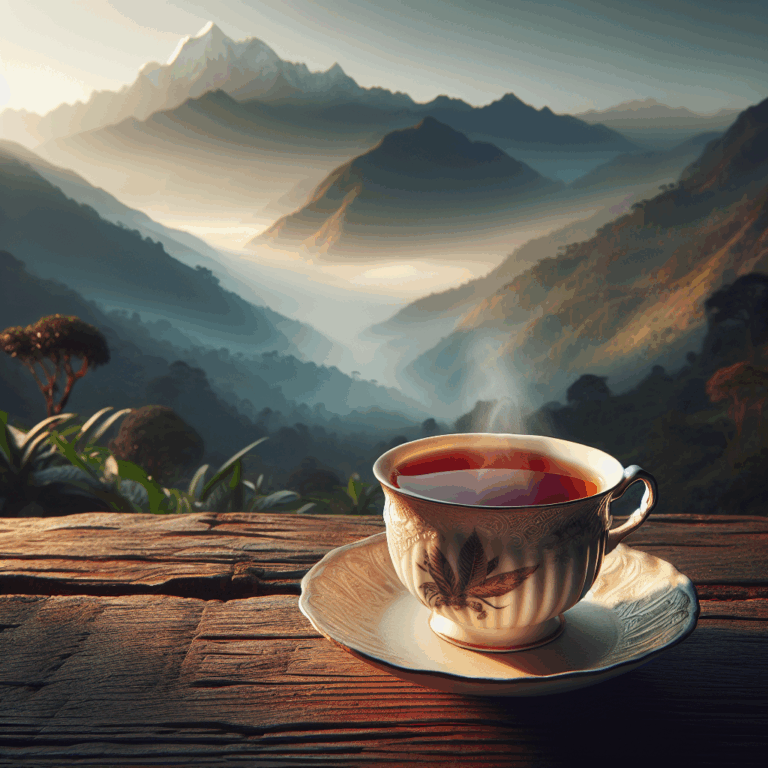
Darjeeling Black Tea – often esteemed as the “Champagne of Teas” – is a premium variety cultivated in the mist-laden foothills of the Himalayas, within India’s Darjeeling district. Celebrated for its delicate bouquet, intricate flavour profile, and signature muscatel notes, it is harvested in distinct seasonal flushes, each offering a unique sensory experience. Rooted in centuries-old cultivation traditions and shaped by the region’s unique climate and cultural heritage, Darjeeling Black Tea stands as both a refined beverage and a symbol of artisanal craftsmanship recognised worldwide.
History of Darjeeling Black Tea
Darjeeling’s association with tea cultivation began in the mid-19th century when British planters recognised the region’s elevated terrain and cool climate as ideal for producing high-quality tea. Initially planted with Chinese varietals, the area rapidly gained repute for yielding leaves with a flavour unlike any other in India. Over time, Darjeeling established itself as the heartland of artisanal tea, blending colonial influence with indigenous expertise. Today, it enjoys protected *Geographical Indication (GI)* status, safeguarding both authenticity and reputation.
Unique Growing Conditions
Darjeeling’s geography profoundly shapes the tea’s character. Perched between 2,000 and 7,000 feet above sea level, plantations benefit from cool mountain air, persistent mists, nutrient-rich soil, and generous rainfall. This combination slows leaf development, concentrating flavour compounds and fragrant essential oils. Natural slopes ensure excellent drainage, while local biodiversity supports soil health. The result is a tea that is light in body yet intensely aromatic – a hallmark of Darjeeling’s terroir.
The Flush System
The harvesting calendar produces four principal flushes, each imparting distinctive qualities:
– **First Flush (Spring)** – Light, floral, and exquisitely fresh, yielding a pale golden liquor regarded as the purest reflection of Darjeeling’s nature.
– **Second Flush (Summer)** – Full-bodied with pronounced muscatel notes and rich amber colour; highly sought after abroad.
– **Monsoon Flush** – Robust and astringent, typically used in blends due to its strength and cost-effectiveness.
– **Autumn Flush** – Smooth, mellow, with warm coppery tones; subtler than the Second Flush yet imbued with depth.
Harvest timing deeply influences flavour, price, and global demand.
Flavour Profile and Aroma
Renowned for its complexity, Darjeeling Black Tea may exhibit floral high notes, gentle fruitiness, the signature muscatel character evocative of grapes, understated woody tones, and hints of spice. In contrast to Assam’s bold robustness, Darjeeling tends towards a lighter body with remarkable aromatic depth – favouring refinement over strength.
Processing Methods
Although classified as a black tea, Darjeeling’s production can approach the oxidation levels of oolong. The topmost two leaves and a bud are plucked, ensuring tenderness and optimal quality. Processing involves withering, rolling, controlled oxidation, drying, and sorting – each stage executed with precision by seasoned tea masters to preserve the subtleties of flavour and fragrance.
—
Brewing Darjeeling Black Tea
To capture its full elegance:
– **Water temperature:** 85–95°C (185–203°F) to avoid bitterness.
– **Steeping time:** 2–4 minutes, adjusted for flush and preference.
– **Ratio:** 2–3 grams per 150 ml cup.
Milk and strong sweeteners can overwhelm its nuanced notes; many aficionados enjoy it unadulterated or with a trace of honey.
Cultural and Economic Significance
Darjeeling Black Tea is integral to local livelihoods, sustaining thousands through cultivation and craftsmanship. Tea tourism thrives here, offering plantation visits, tastings, and stays in heritage bungalows. GI protection ensures that “Darjeeling” labelled teas are genuinely from the district, safeguarding fairness for growers and preserving heritage for future generations.
Global Appreciation and Challenges
Among tea connoisseurs worldwide, Darjeeling holds an unrivalled position. Yet, it faces threats from climate change, labour disputes, and mislabelling. Sustainable agriculture, equitable labour practices, and stringent export controls are being pursued to protect both quality and legacy.
Storage and Shelf Life
To retain peak flavour, store in airtight containers, away from light, moisture, and strong odours. Whole-leaf teas keep their character longer than broken grades; optimum quality is generally enjoyed within 6–12 months of purchase.
Conclusion
Darjeeling Black Tea encapsulates the artistry of tea-making, the richness of its Himalayan origins, and a dedication to excellence passed through generations. From the fresh vitality of the First Flush to the muscatel depth of the Second, it offers not merely a beverage but a journey into tradition, flavour, and cultural pride. Protecting its authenticity will ensure that this global icon continues to enchant for years to come.
Posted inBlack Tea
Darjeeling Black Tea
Post navigation
Previous Post
 Assam Black Tea
Next Post
Yingdehong Black Tea