Introduction
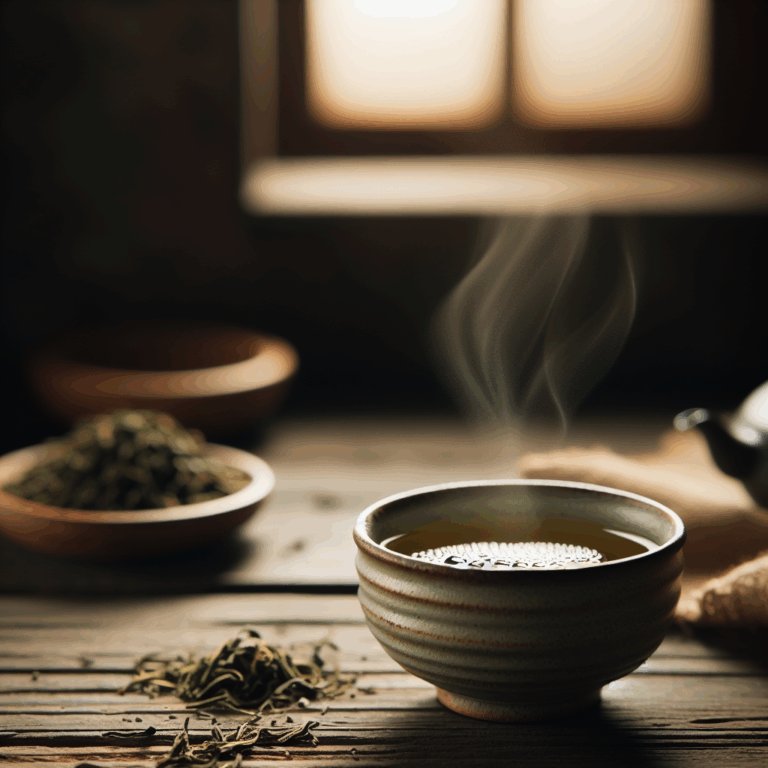
Gyokuro is Japan’s prized shade-grown green tea, celebrated among tea connoisseurs for its sweet, umami-rich flavor and velvety mouthfeel. This guide takes you on a journey through its cultivation, brewing techniques, cultural heritage, and how to savor it like a true tea enthusiast.
Origins and Cultivation
Gyokuro, meaning “jade dew,” is cultivated primarily in regions like Uji, Fukuoka, and Shizuoka. About three weeks before harvest, tea bushes are covered with shade cloths, reducing sunlight exposure by up to 90%. This process increases chlorophyll and L-theanine, resulting in a deep green color and a naturally sweet taste. Farmers carefully monitor soil moisture and temperature to ensure optimal leaf quality.
Tasting Notes
When brewed correctly, Gyokuro offers a rich umami flavor balanced with gentle sweetness. The aroma is reminiscent of fresh seaweed and steamed greens, while the mouthfeel is smooth and almost creamy. The aftertaste lingers pleasantly, with subtle mineral notes that invite another sip.
Selecting High-Quality Gyokuro
Look for vibrant, needle-shaped leaves with a deep emerald hue. Premium Gyokuro will have a glossy sheen and a fresh, grassy fragrance. Avoid dull or broken leaves, as these often indicate lower quality or improper storage. Reputable Japanese tea merchants often provide harvest dates—choose the freshest available.
Brewing Techniques
Gyokuro is best brewed at lower temperatures (50–60°C / 122–140°F) to preserve its delicate flavors. Use about 2 grams of tea per 30 ml of water, steeping for 2 minutes. Multiple infusions are possible, with each yielding a slightly different flavor profile. For a more intense experience, try the “Shinobi-cha” method, where leaves are steeped in ice for several hours, producing a concentrated, sweet liquor.
Pairings and Serving Suggestions
Gyokuro pairs beautifully with wagashi (traditional Japanese sweets) such as yokan or mochi. Its umami depth also complements savory dishes like lightly salted edamame or sushi. Serve in small cups to appreciate its concentrated flavor, and enjoy in a quiet setting to fully immerse yourself in the experience.
Storage Tips
Store Gyokuro in an airtight container away from light, heat, and moisture. Refrigeration can help maintain freshness, but always allow the tea to return to room temperature before opening to prevent condensation.
Cultural Significance
Gyokuro holds a special place in Japanese tea culture, often reserved for special occasions or honored guests. Its production requires skill and patience, reflecting the Japanese values of craftsmanship and respect for nature.
Explore More
For more on Japanese teas, see our Matcha Guide, Sencha Overview, and Tea Varieties. These related articles provide deeper insight into Japan’s tea culture and help you gain explore expand your tea knowledge.
Whether you are new to Japanese teas or a seasoned drinker, Gyokuro offers a sensory journey worth savoring—one that connects you to centuries of tradition and the artistry of tea-making.